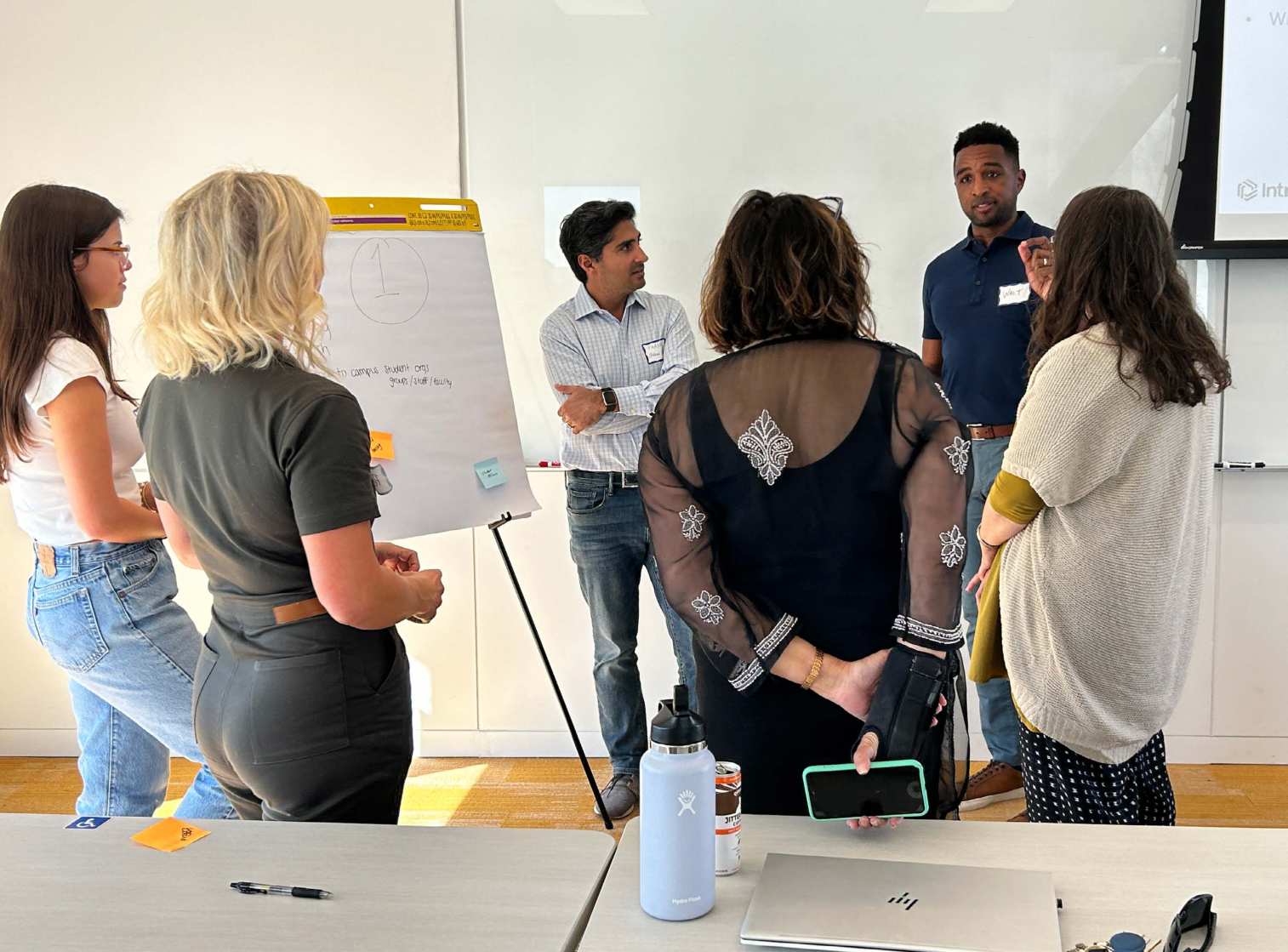
This workshop surveyed various community members to identify potential equity impacts of transitioning from existing energy sources to fossil-free energy systems and to identify the stakeholders affected, enabling us to proactively prioritize their needs. By engaging the campus community in the decision-making process, the project will include more diverse perspectives and ideas for moving forward, ensuring groups disproportionately impacted by the project will be involved in its future discussions.
Equity Workshop Summary and Conclusions
Focus
Defining Equity Scope & Identifying Stakeholders
What are issues, concerns, observations, and opportunities? Who is affected?
- There are a number of groups & communities missing from this discussion
- BIPOC (including Chumash) communities, environmental justice orgs, student groups, labor representatives, and potential partners like SBCC
- Workshop attendees expressed suggestions, and have connections to this expanded network
- Student representation and awareness : students are interested in learning more.
- Unions and Frontline workers : Service mechanics + cooks
- Accessibility: Information access to this project (including notes from workshops and townhalls) and disability/mobility considerations during construction
- Minimize displacement, increased cost & environmental burden on communities, and jobs loss.
- Clarify how student housing will be affected.
- Transparency, education, and engagement is a core equity pillar of this project—community wants to know what’s happening, be aware on the progress, and understand how this ties into overall UCSB climate action plan(s)
Vision
Who benefits? Where are the needs? What are the Outcomes?
- Prioritize underrepresented, vulnerable, and historically excluded groups in for a just, equitable green transition
- Workforce and skills training programs—most notably for existing workers
- Partnerships with campus groups & local EJ organizations, and institutions like Santa Barbara Community College (SBCC)
- UCSB can set a model/example for other branches and institutions – education and best practices; develop an innovation and training center/hub\
- Can housing be part of this?
- Potential Outcomes
- Protected and enhanced environment and ecological systems
- Skills transition and Training pipeline program
- Sourcing renewable energy for the campus
- Improved indoor air quality and mobility
- Creating a generation of climate advocates
Next Steps and Development of the Equity Approach and Climate Justice outcomes driven by the UCSB Clean Energy Master Plan by the UCSB Clean Energy Master Plan
- Collaborate and continue to track progress and developments from Scopes 1,4, & 5 to further focus the equity considerations, define desired outcomes, and to inform the approach of those technical scope areas
- Follow-up with a workshop (virtual) in January on results and next steps
Recap of 10/31 Equity & EJ workshop comments and progress
Connect and discuss with groups/community orgs not in attendance for the 10/31 workshop
Share schedule of future meetings - Transparency, Engagement, and Information Access
Consider creating a page on UCSB website for this project with key information, space to provide feedback, and a repository for reports and meeting notes.
Advertise future targeted town hall dates and workshop - Expand on the specific labor forces to be affected
- Continue spreading the word–website, classrooms and faculty lectures, continued outreach to BIPOC groups and other stakeholders, expand storytelling platforms
- Define desired equitable outcomes and metrics from the Clean Energy Master Plan